

The Adoration of the Shepherds

about 1640 · Oil on canvas
Dimensions 480 x 321 cm
Collection: National Gallery, London
The Adoration of the Shepherds is a late altarpiece by Guido Reni, painted on a monumental scale. Nearly five metres high without its frame, it is one of the largest paintings in the National Gallery’s collection. It shows a group of shepherds gathered around the newborn Christ in a stable in Bethlehem.Reni has staged a night-time scene, using the darkness to full effect by surrounding the Christ Child with an otherworldly glow that illuminates the faces of those around him; they gaze upon his manger with awe and devotion. Celestial light seems to spill from the heavens through a gap in the clouds surrounded by a group of joyful putti. The scroll they carry reads: GLORIA IN ECCELSIS DEO (‘Glory to God in the highest’). The Adoration was a popular devotional subject addressed frequently by artists in Europe in the seventeenth century and in the preceding centuries. The subject has been interpreted by different artists with great variety – Nicolas Poussin’s representation, for example, sets the scene in daylight and depicts the holy family in a stable built among classical ruins.This work was completed in Reni’s final years and is recorded by his biographer, Carlo Cesare Malvasia, as one of the paintings left in the artist’s studio at the time of his death. Many of these works were left unfinished when Reni died in 1642, though the loose, painterly brushwork of his late style often makes it difficult to tell which works are finished and which are not. Reni has used a deep blue for the Virgin’s drapery and bright orange and blue for Joseph’s robes – a deliberate use of complementary colours that highlights the distinction between the holy family and the shepherds, whose garments are more sombre. Reni has used a high-quality variety of the pigment ultramarine for the blue of the Virgin’s robes. Considered to be the most expensive pigment on an artist’s palette – at one time worth more by weight than gold – the purest ultramarine would often be reserved for depictions of the Virgin, as in Sassoferrato’s The Virgin in Prayer.According to Malvasia, the majority of the paintings that remained in Reni’s studio upon his death were either sold or delivered to the client who commissioned them by the executor of the artist’s will. This painting is one of two very late large-scale treatments of the Adoration of the Shepherds by Reni; the other was painted for the Certosa di San Martino in Naples (where it remains). The paintings are close in date, but show some variations between their compositions. Malvasia names the two works as examples of great altarpieces created by Reni at the end of his career, describing the National Gallery work as ‘per germania’ (for Germany). It is possible that the painting was commissioned by Prince Karl Eusebius von Liechtenstein (1611–1684), or that the prince acquired it from Reni’s studio following the dispersal of its contents after the artist’s death. The painting hung in the royal chapel at the castle in Feldsberg, before being moved to the family’s palace in Vienna in 1706. It was purchased from the prince’s descendants by the National Gallery in 1957.
58 collected·32 zoomed·0 comments
About this artwork
The Adoration of the Shepherds (about 1640) by Guido Reni, oil on canvas, from the National Gallery, London collection.
About Guido Reni
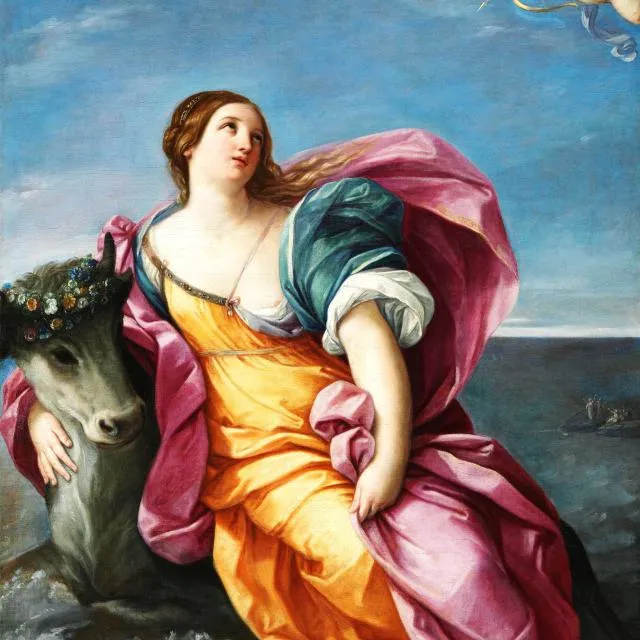
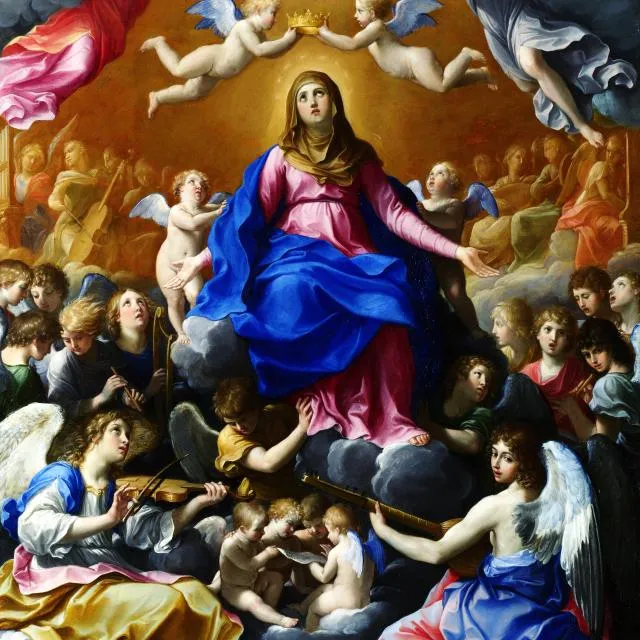
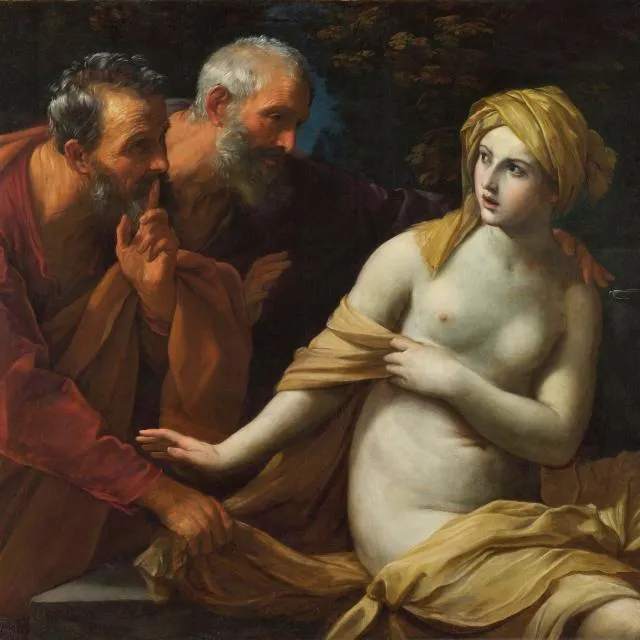
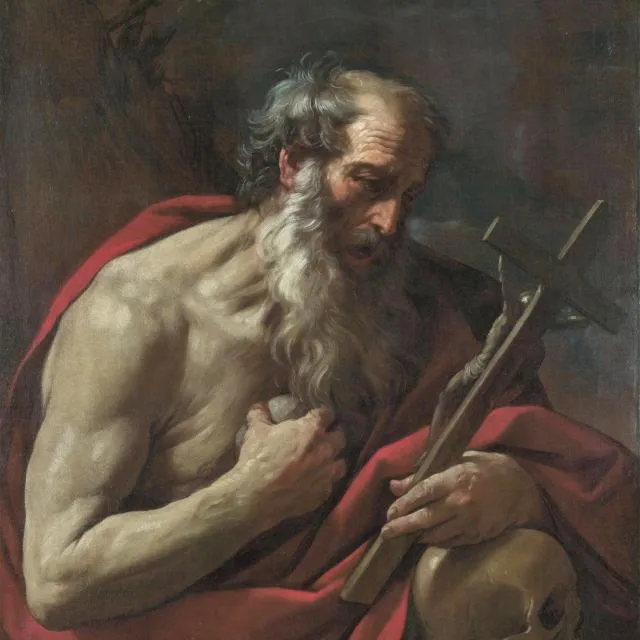
Guido Reni (4 November 1575 – 18 August 1642) was an Italian painter of the Baroque period, although his works showed a classical manner, similar to Simon Vouet, Nicholas Poussin, and Philippe de Champaigne. He painted primarily religious works, but also mythological and allegorical subjects.
More by Guido Reni


Comments (0)
No comments yet. Be the first to share your thoughts.