

The Concert Singer

1892 · Oil on canvas
Dimensions 190.9 × 137.89 cm
Collection: Art Whisperer
The Concert Singer is a painting by Thomas Eakins (1844–1916), depicting the singer Weda Cook (1867–1937). The work, commenced in 1890 and completed in 1892, was Eakins's first full-length portrait of a woman. It is now in the Philadelphia Museum of Art. The Concert Singer was one of a series of portraits Eakins painted of Philadelphia natives who were prominent in science and culture, with the intent of producing major showpieces for exhibition. The painting exemplifies Eakins's desire to truthfully record visual appearances with "historical value." Eakins drew, painted, or sculpted at least twenty-two works that dealt with the visual aspects of music; at one point, this included "eleven straight portraits of musicians and musicologists", of which The Concert Singer has been called "the finest". The work depicts Weda Cook, a "respected Camden vocalist... recognized for her 'powerful contralto voice, unassuming manner, and thorough training.'" She stands center stage, wearing pink slippers and a low-necked sleeveless pink dress, a luminous and central element in the picture, fringed with lace and pearl beads. Eakins's realism is notable in the painting of skin tones, with Cook's bare neck, chest, arms, and shoulders visibly paler than her head and hands. The figure is solidly and subtly modeled, its warm light pinks set against a cooler and darker yellow-green background. Narrative details are minimal. In the lower-left foreground, a conductor's hand and baton are visible, although the rest of the figure is not pictured. Initially, as can be seen in the preliminary sketch, the hand grasped the baton as if it were a paint brush. For verisimilitude Eakins had Charles M. Schmitz, the conductor of the Germania Orchestra and Cook's teacher, pose holding the baton. A bouquet at the lower right suggests that the singer is performing an encore; apparently a fresh supply of roses was provided at each sitting by the sculptor William Rudolf O'Donovan, who had fallen in love with Cook. The floor on which Cook stands recedes into an ambiguous background, and despite several anecdotal elements, the painting is "remarkably barren", though with enough information to suggest a public performance. Inconsistencies in perspective add to the ambiguity. The lower part of the dress, shoes, and flowers are depicted as if seen from above, yet the visibility of the soles of the shoes and underside of the dress suggest a lower vantage point. The austerity of the composition marks a new and more abstract tendency in Eakins's work, presaging the increasing sense of isolation that would be characteristic of his later portraits. In its design, cropping of details at the lower edges, and low angle of vision, John Wilmerding has likened the painting to the music and dance interiors of Eakins's contemporary, Edgar Degas. Despite formal similarities between The Concert Singer and works by Eakins's French contemporaries, there is a difference in mood: Degas' singers work in cafes, their glamor undercut by garish lighting, and Daumier's essays of the theme are more cynical still. In contrast, the Eakins painting reflects an American appreciation for singing as a manifestation of high culture. Unidealized, Weda Cook's figure is depicted as substantial and sensuous. It is revealed by a light that creates form, depth, and produces "the painting's profoundly poetic mood".
86 collected·280 zoomed·0 comments
About this artwork
The Concert Singer (1892) by Thomas Eakins, oil on canvas, from the Art Whisperer collection.
About Thomas Eakins
Thomas Cowperthwait Eakins (July 25, 1844 – June 25, 1916) was an American realist painter, photographer,[1] sculptor, and fine arts educator. He is widely acknowledged to be one of the most important artists in American art history.
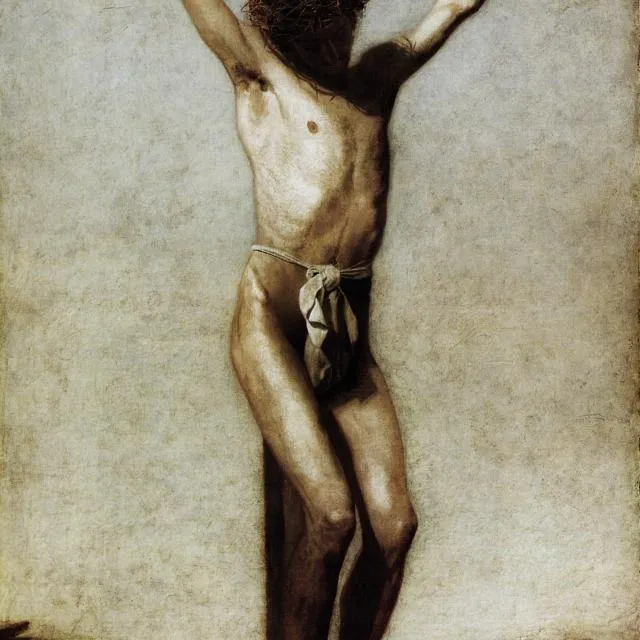
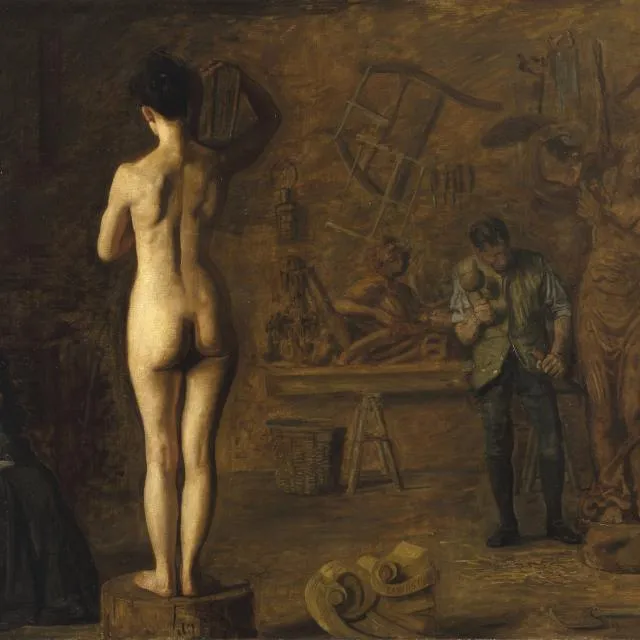
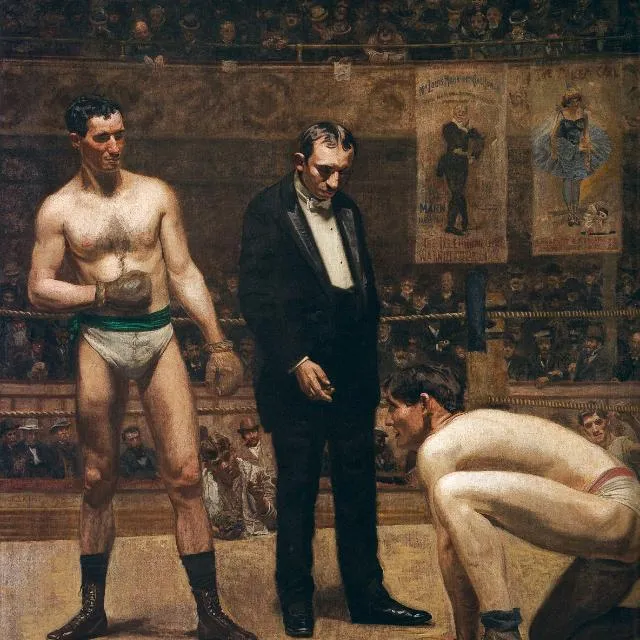
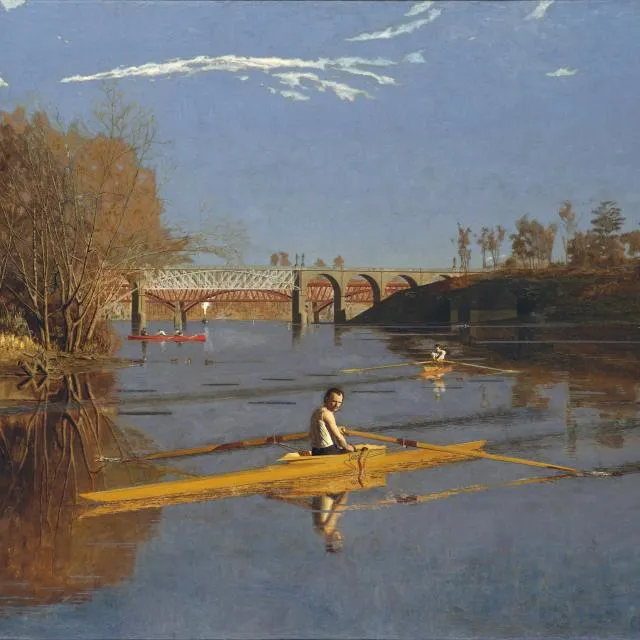
More by Thomas Eakins
Comments (0)
No comments yet. Be the first to share your thoughts.