Adolfo Farsari was born in Vicenza, Lombardy-Venetia (then part of the Austrian Empire, now in Italy). He began a career in the Italian military in 1859, but emigrated to the United States in 1863. As a fervent abolitionist, Farsari served with the Union Army as a New York State Volunteer Cavalry trooper until the end of the American Civil War. He married an American, but the marriage failed and in 1873 he left his wife and two children and moved to Japan.
Based in Yokohama, Farsari formed a partnership with E. A. Sargent. Their firm, Sargent, Farsari & Co., dealt in smokers' supplies, stationery, visiting cards, newspapers, magazines and novels, Japanese and English conversation books, dictionaries, guidebooks, maps, and photographic views of Japan. The creator of these photographs remains unknown, but Farsari was the maker of at least some of the maps, notably of Miyanoshita (in the Hakone resort area) and Yokohama. After his partnership with Sargent ended, the company, now A. Farsari & Co., published successive editions of Keeling's Guide to Japan and Farsari himself wrote and published Japanese Words and Phrases for the Use of Strangers.The firm was among the most prolific publishers of materials to aid travellers, having produced its first guidebook to Japan by July 1880.
Farsari expanded his business interests into commercial photography and taught himself photography in 1883. In 1885 he formed a partnership with photographer Tamamura Kozaburō to acquire the Stillfried & Andersen studio (also known as the Japan Photographic Association), which had some 15 Japanese employees. The studio's stock included images by Felice Beato that it had acquired along with Beato's studio in 1877. It is not clear how long the partnership of Tamamura and Farsari lasted, for within a few years they were in competition with each other. Farsari further expanded his business in 1885, when the Yokohama Photographic Company (owned by David Welsh) folded and Farsari acquired its premises (next door to his own) and moved in. In addition to his Yokohama studio, Farsari likely had agents in Kobe and Nagasaki. By the end of 1886, Farsari and Chinese photographer Tong Cheong were the only foreign commercial photographers still operating in Japan, and by the following year even Tong Cheong had gone.
In February 1886 a fire destroyed all of Farsari's negatives, and he then toured Japan for five months taking new photographs to replace them. He reopened his studio in 1887. Despite his losses in the fire, by 1889 Farsari's stock comprised about 1,000 Japanese landscapes and genre portraits.
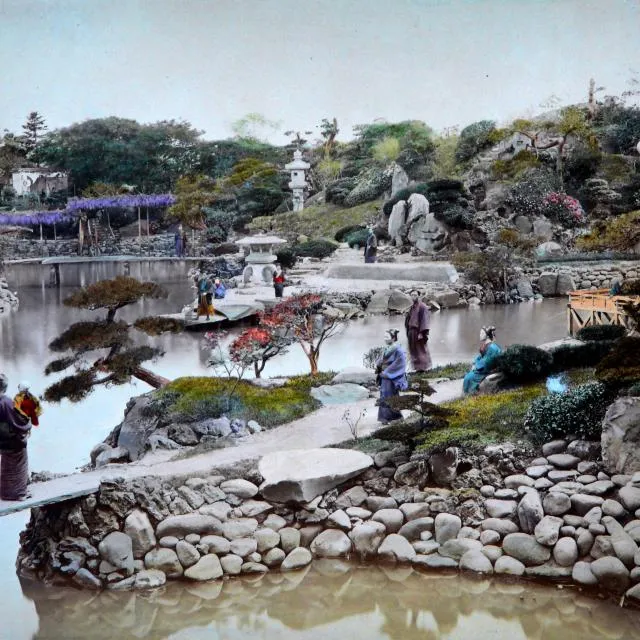
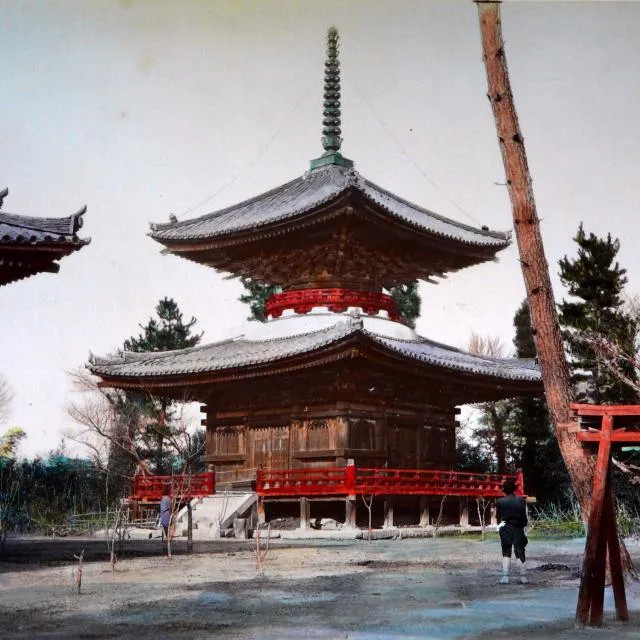
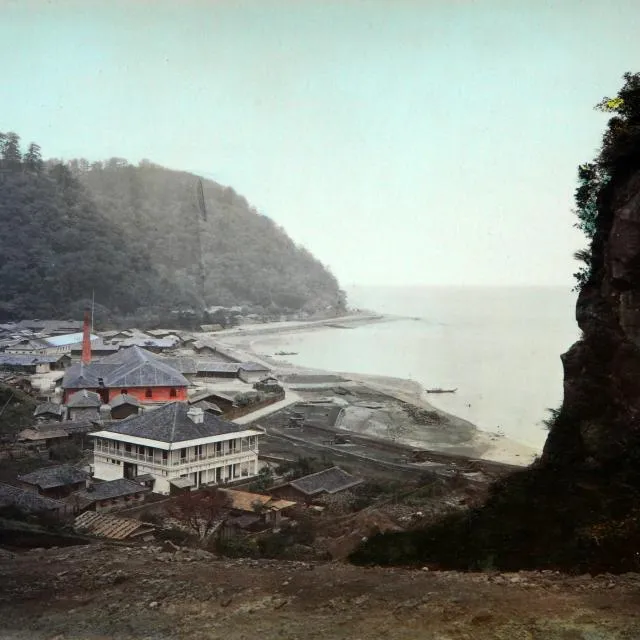
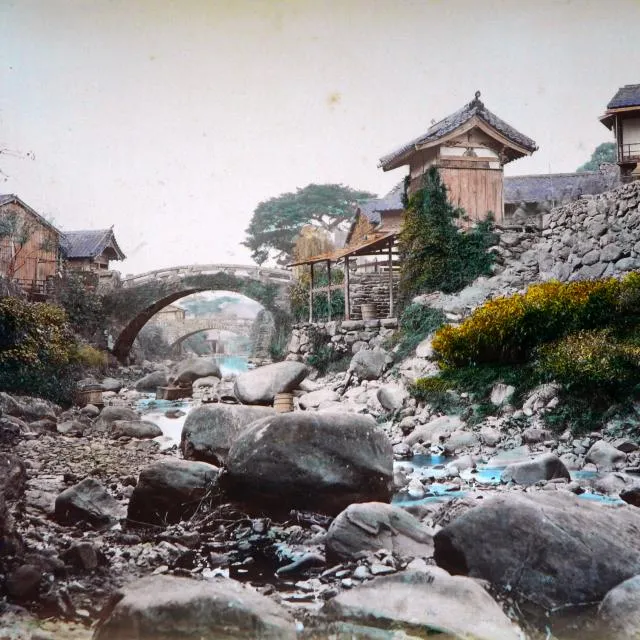
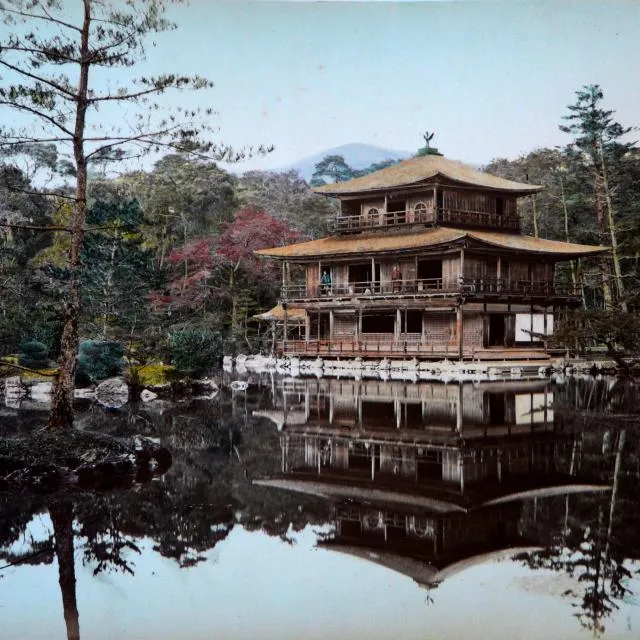
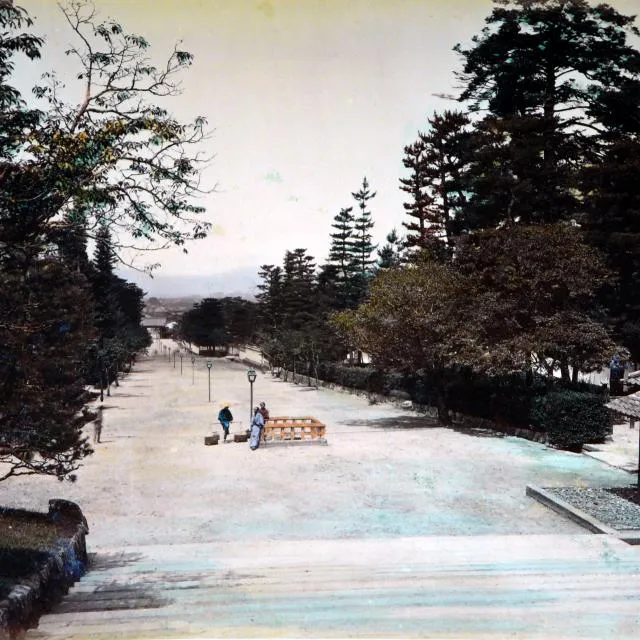
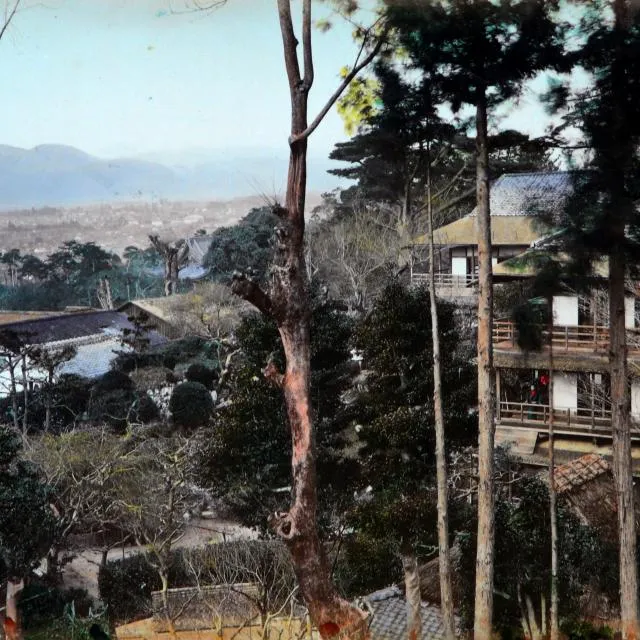
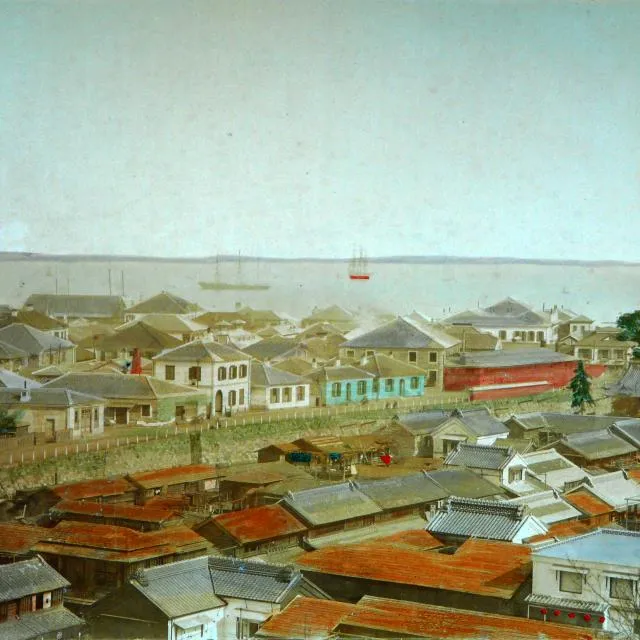
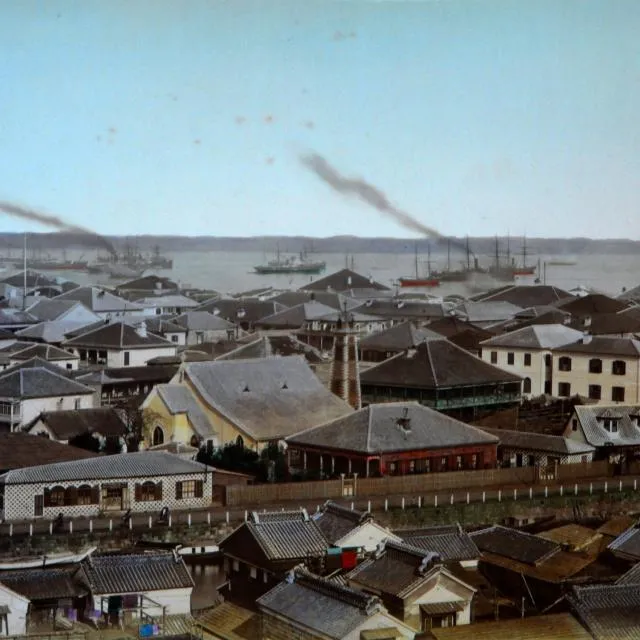
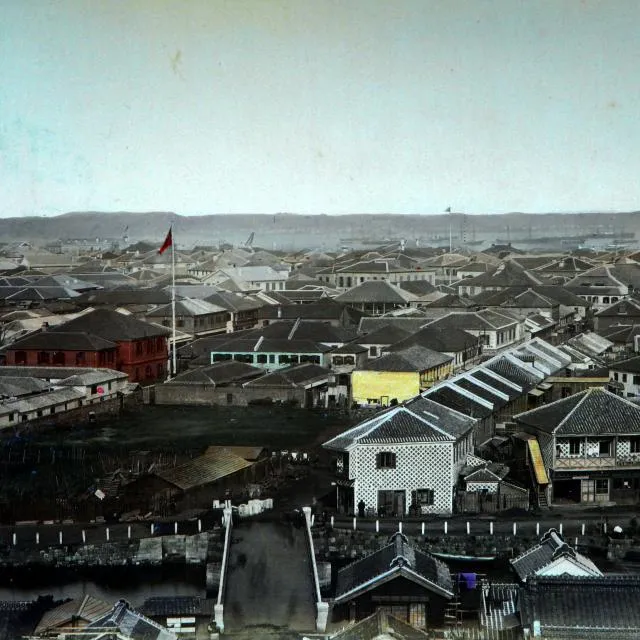
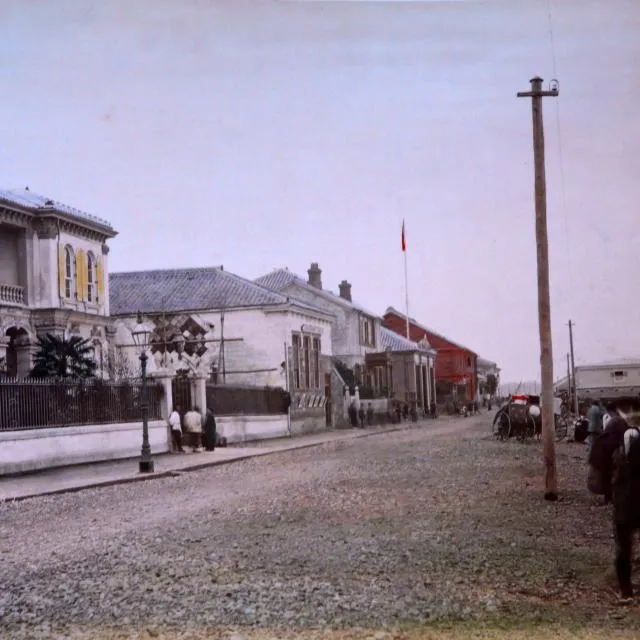
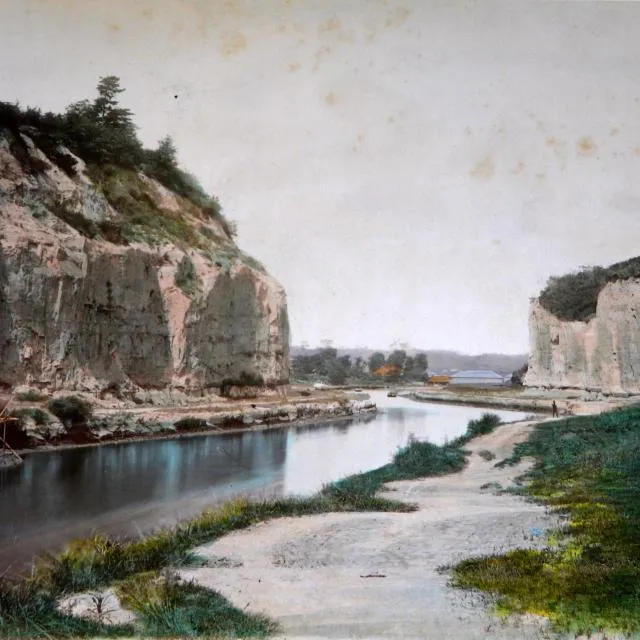
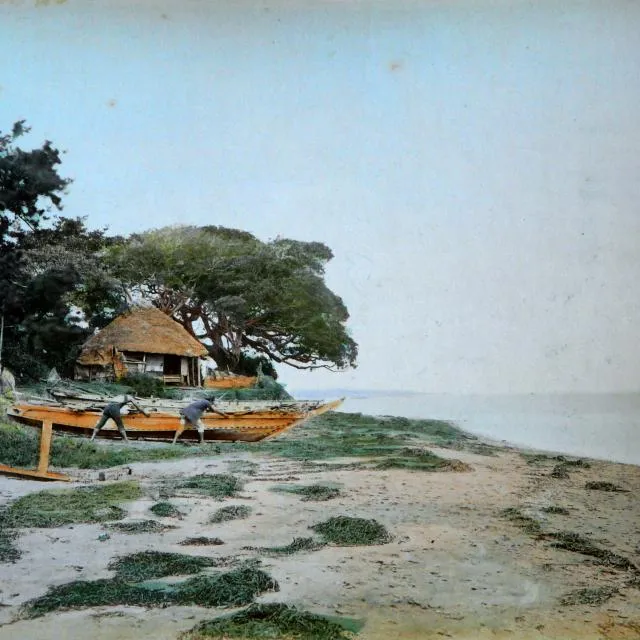
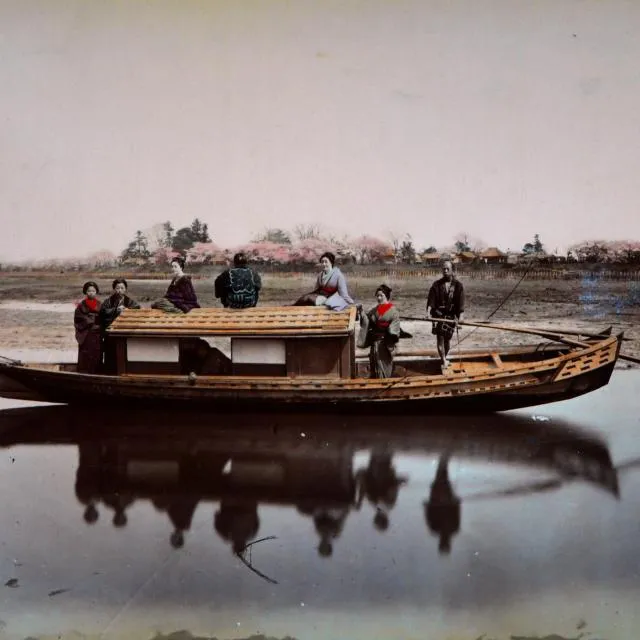
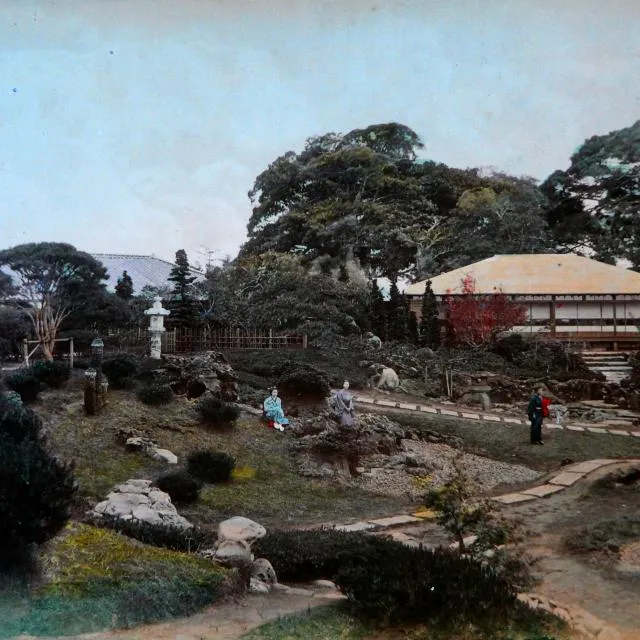
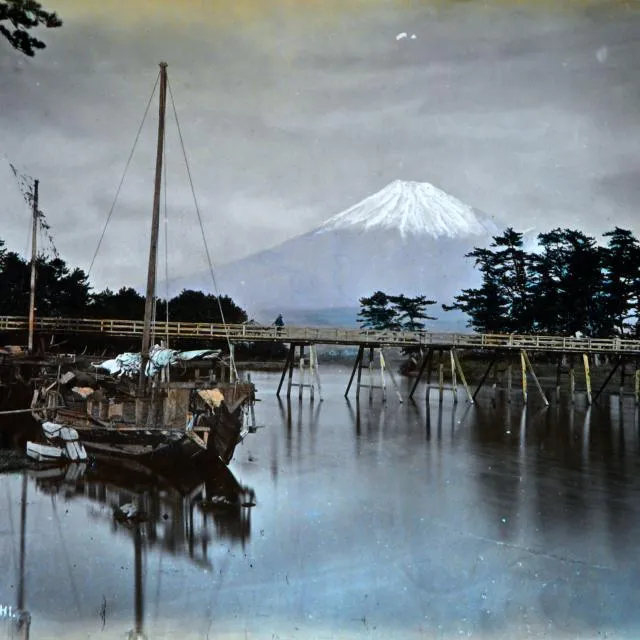
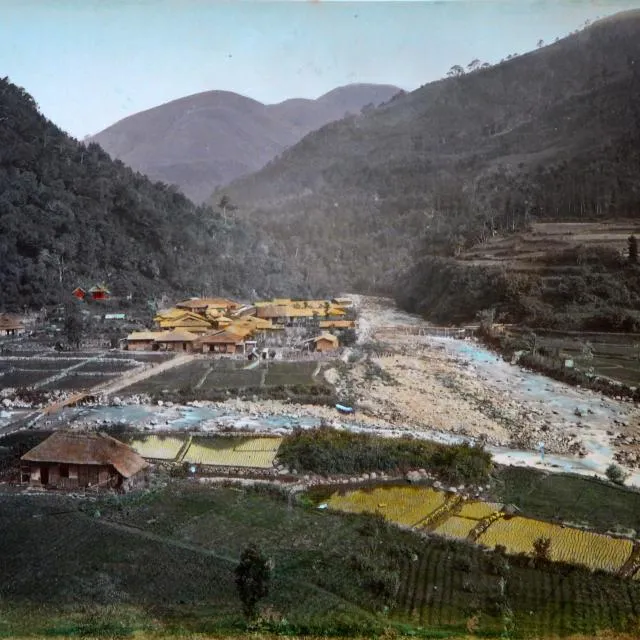
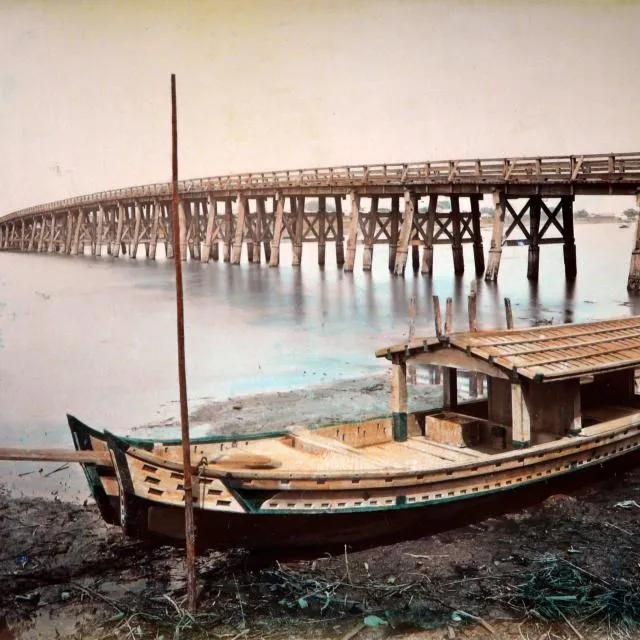
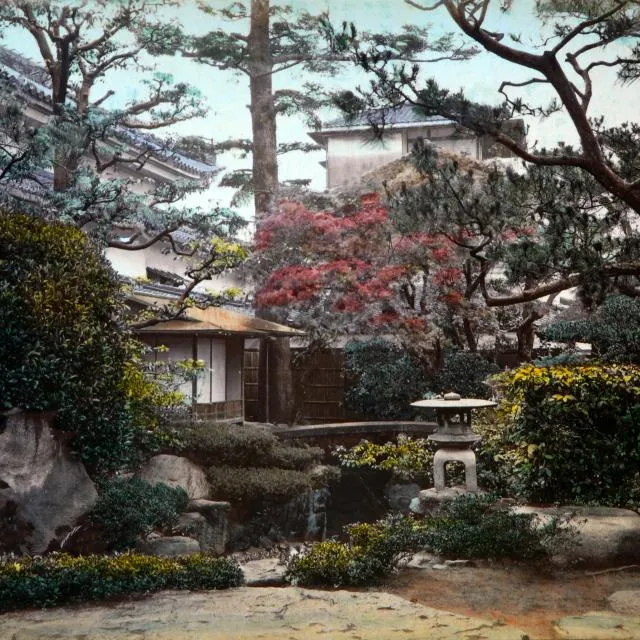
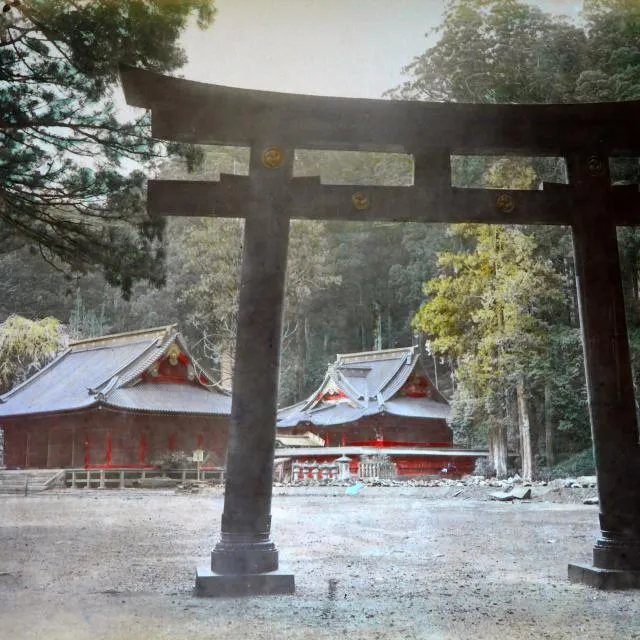
Following the innovations of Felice Beato and Baron Raimund von Stillfried, Farsari further developed the trade in photograph albums. His studio generally produced sepia monochrome albumen prints that were hand-coloured and mounted on album leaves. These pages were often hand decorated and bound between covers of silk brocade or lacquer boards inlaid with ivory, mother-of-pearl and gold. Like his contemporaries, Farsari usually captioned and numbered his photographs in the images, often in white lettering on a black background.
Farsari sold many of these photograph albums, particularly to foreign residents and visitors. He employed excellent artists who each produced high-quality work at a pace of two or three hand-coloured prints per day. Farsari ensured that the colours were true to life and that the best materials were used. Accordingly, his work was expensive, yet popular and often praised by clients and visitors to Japan, even receiving a glowing reference by Rudyard Kipling following his 1889 visit to Yokohama. That same year, Farsari presented a deluxe photograph album to the King of Italy. By the 1890s, the studio's high reputation earned it exclusive rights to photograph the Imperial Gardens in Tokyo.
Prospective colourists at A. Farsari & Co. were interviewed by Farsari himself, who ensured they were familiar with Japanese painting techniques. Once hired, they were given unpaid instruction for several months, and then a basic salary that steadily increased as Farsari became satisfied with their work. A capable and loyal colourist could earn twice the rate offered at other Yokohama studios and double his own daily rate for work on Sundays. Colourists also received regular bonuses and gifts. On the other hand, Farsari complained in a letter to his sister that, to motivate his employees, he had to rage, swear and beat them, which he did according to a fixed schedule. By 1891 A. Farsari & Co. had 32 employees, 19 of whom were hand-colouring artists.
In 1885 Farsari had a daughter, Kiku, by a Japanese woman whom he may not have married. He described himself as living like a misanthrope, associating with very few people outside of business, and his correspondence indicates that he increasingly hoped to return to Italy. He tried to regain the Italian citizenship lost when he emigrated to the United States, and he even hoped to be made a cavaliere and thereby join the Italian aristocracy. His success in these endeavours is not clear. Nevertheless, in April 1890 he and his daughter left Japan for Italy. On 7 February 1898 Farsari died in his family home in Vicenza.