

Vertumnus (Holy Roman Emperor Rudolf II)
1590 · oil on panel
Dimensions 68 × 56 cm
Collection: Art Whisperer
Vertumnus is Arcimboldo's most famous work and is a portrait of the Holy Roman Emperor Rudolf II re-imagined as Vertumnus, the Roman god of metamorphoses in nature and life. The fruits and vegetables symbolize the abundance of the Golden Age that has returned under the Emperor's rule. The painting is part of the collection at Skokloster Castle in Sweden. The portrait of the emperor is created out of plants – flowers and fruits from all seasons: gourds, pears, apples, cherries, grapes, wheat, artichokes, beans, peapods, corns, onions, cabbage foils, cherries, chestnuts, figs, mulberries, grapes, plums, pomegranates, various pumpkin and olives. Rudolf's portrait, composed of fruit, vegetables, and flowers, symbolized the perfect balance and harmony with nature that his reign represented. These portraits were an expression of the Renaissance mind's fascination with riddles, puzzles, and the bizarre. Arcimboldo's traditional religious subjects were later forgotten, but his portraits of human heads composed of objects were greatly admired by his contemporaries.
623 collected·992 zoomed·5 comments·1 boards
This artwork is in 1 board
About this artwork
Vertumnus (Holy Roman Emperor Rudolf II) (1590) by Giuseppe Arcimboldo, oil on panel, from the Art Whisperer collection.
About Giuseppe Arcimboldo
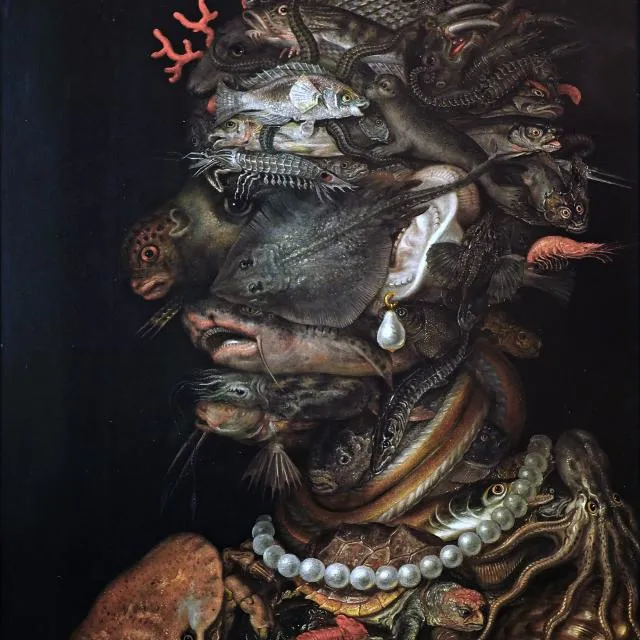
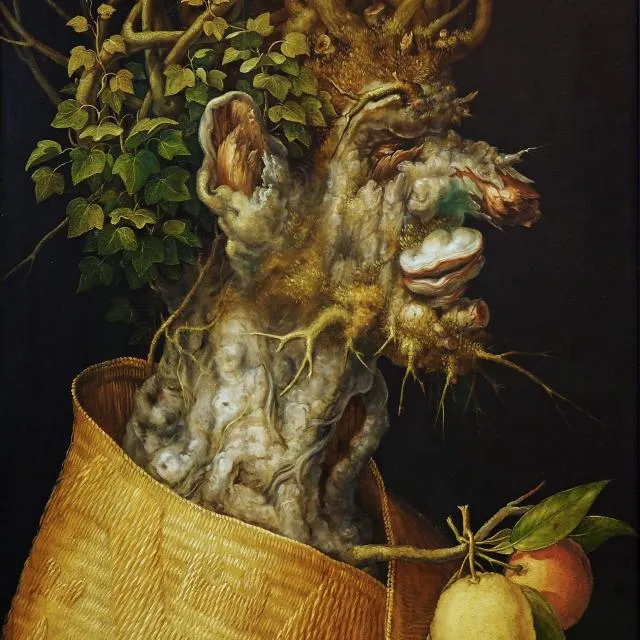
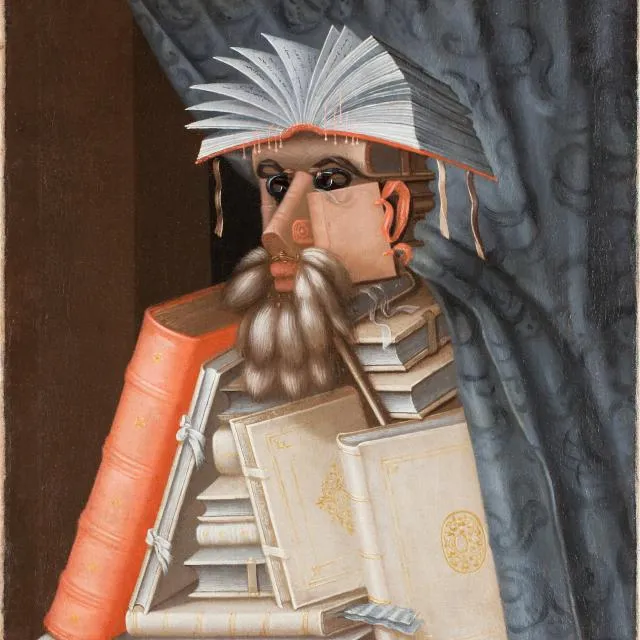
Giuseppe Arcimboldo; also spelled Arcimboldi (1526 or 1527 – 11 July 1593) was an Italian painter best known for creating imaginative portrait heads made entirely of objects such as fruits, vegetables, flowers, fish and books. These works form a distinct category from his other productions.
More by Giuseppe Arcimboldo
Comments (0)
No comments yet. Be the first to share your thoughts.